Softer finish to cereals still presents crown rot risk

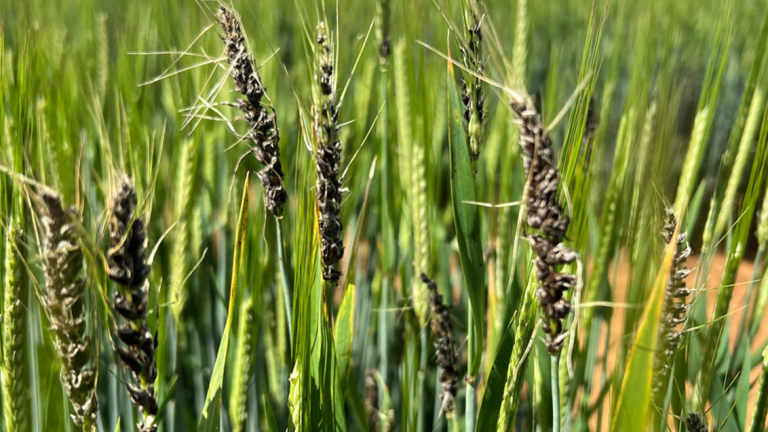
A softer finish to this year’s winter crop could mask issues with crown rot across the Australian wheatbelt.
While it’s widely understood tight finishes are more conducive to the expression of crown rot, many are still operating under the assumption that no symptoms equals no inoculum.
“There’s considerable research now, and understanding between experts in this field, that inoculum will in fact continue to build up in softer years,” Syngenta Seedcare™ Technical Specialist Sean Roberts said.
“It’s never been more important to employ all available management methods, from soil and stubble testing, to crop rotation, variety selection and inter-row sowing.”

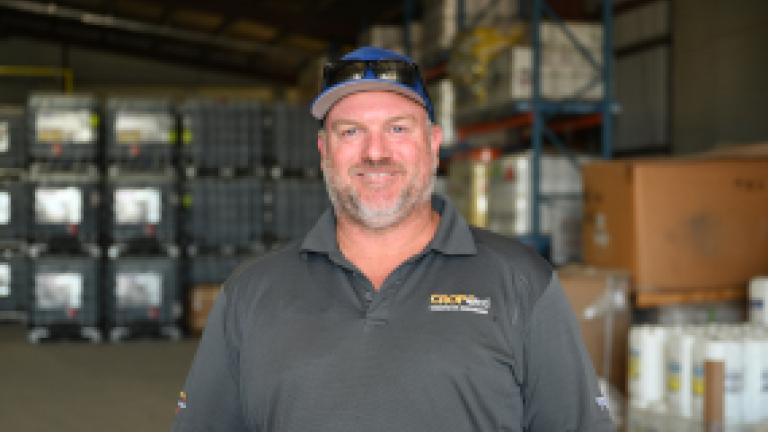
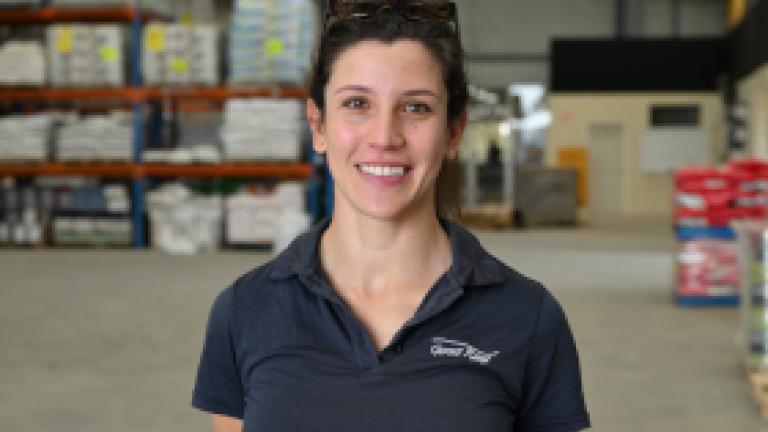
Syngenta Seedcare™ Technical Services Lead Sean Roberts.
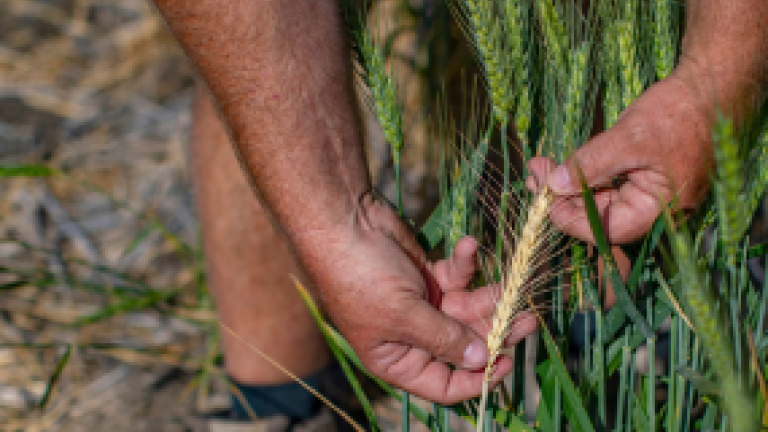
Stubble is the key to the challenge, with modern farming methods benefiting hugely from several associated benefits including soil water conservation, erosion control and improvements to soil structure. However, the retention of this stubble has caused inoculum levels to build in many areas, as the disease survives as a cottonwool-like growth inside the stubble, causing subsequent infection of new crops.
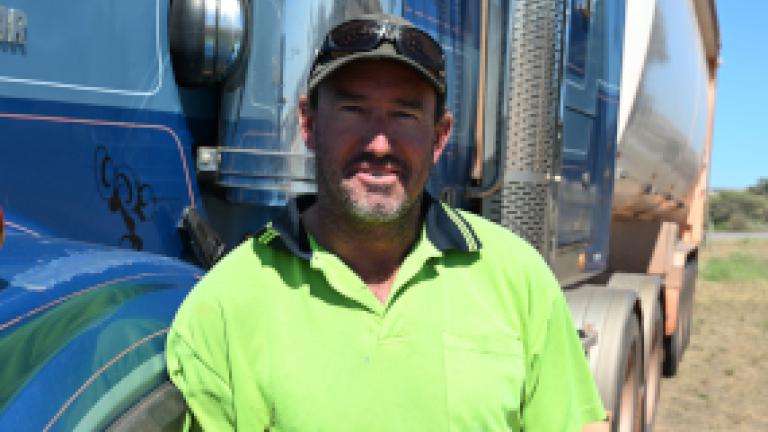
Dr Steven Simpfendorfer is a specialist in the field with the NSW Department of Primary Industries.
“Conservation cropping has large system benefits but means that the stubble-borne pathogen, which causes Fusarium crown rot, is going to be in paddocks,” he said.
“What we push hard is not to despair – burning stubble and aggressive management strategies such as cultivation can potentially have worse impacts overall.”
Syngenta, a global leader in agricultural research and development, has observed the challenge this has presented in Australia. While the expression of this disease is mostly observed during plant maturity, Syngenta turned its attention to the early establishment phase when infection ordinarily happens.
In partnership with industry, Syngenta is supporting the implementation of integrated management strategies for crown rot, including provision of PREDICTA* B soil testing kits.
Through this DNA identification of soil and stubble-borne crown rot, among other diseases, farmers can reduce their risk and unnecessary yield losses.

Syngenta is supporting PREDICTA* B testing to help manage crown rot risk.
Syngenta is also working toward the registration of VICTRATO® seed treatment, for unparalleled crown rot protection, to complement cultural control measures.
Understand your crown rot risk, speak to your local Syngenta representative about a soil test for your paddocks today.
VICTRATO® is not a registered product. A registration application has been submitted to the APVMA.
ENDS
About Syngenta Australia
Syngenta is a leading agriculture company helping to improve global food security by enabling millions of farmers to make better use of available resources. Through world class science and innovative crop solutions, our 28,000 people in over 90 countries are working to transform how crops are grown. We are committed to drive positive change in agriculture and embed sustainability across all aspects of our business.
® Registered trademark of a Syngenta Group Company
* Registered trademark