
Biologicals: Enhancing farm yields and sustainability
Biologicals are innovative agricultural technologies that harness the power of nature to protect and improve crops. They are products either derived from or inspired by nature, which can include organisms, natural molecules, plant extracts, and other bio-based materials.
Such products complement traditional crop protection and fertilisers, helping diversify the grower’s toolbox to manage and benefit food production, protecting and improving plants’ resilience to pests, disease and climate extremes. By taking a holistic approach, we can address some important challenges in food and fibre production and further enhance sustainability. As an added benefit, biologicals offer growers valuable options when targeting certain markets.
Disclaimer: Products featured on this page might not be registered for use in your country of origin.
For details about Australian registrations, please consult the Australia Pesticides and Veterinary Medicines Authority.
What type of products are classed as biologicals?
In agriculture, biologicals fall into three categories:
Biostimulants to enhance and strengthen crops
Biocontrols to control pests and disease
Nutrient use efficiency (NUE) products including biofertilisers to improve nutrient availability and uptake.
Biologicals – advanced tools for growers
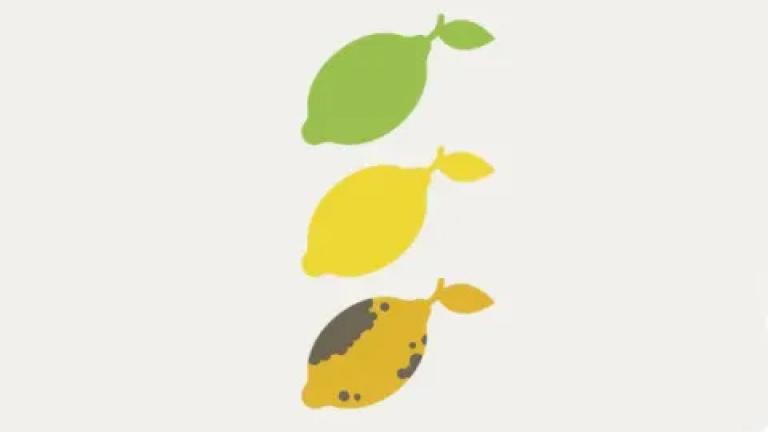
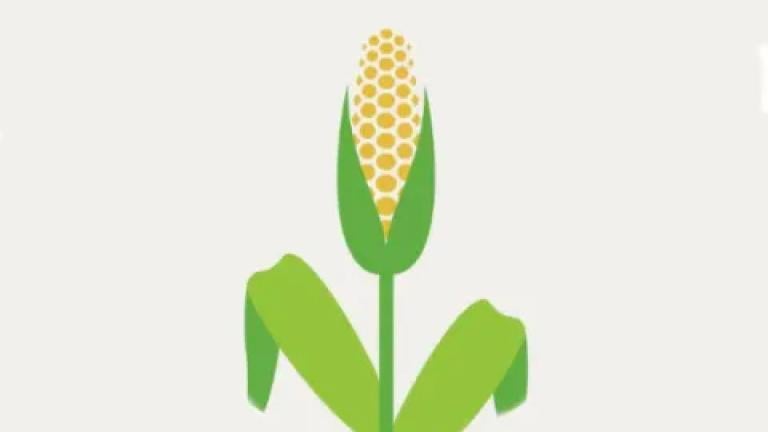

The difference between biocontrols, biostimulants and nutrient use efficiency products (NUE)?
How do biologicals support agriculture?
Growers are increasingly adopting regenerative cultural practices to nurture and restore soil health, protect the climate, water resources and biodiversity, and increase productivity and profitability. Australian broadacre growers have led the world in the adoption of direct drill crop establishment, helping preserve moisture, minimise erosion, and build soil structure. Biologicals can play a part, supporting growers to use natural resources, like water, and farm resources, like fertiliser inputs, more efficiently.


Disclaimer: Products featured on this page might not be registered for use in your country of origin.
For details about Australian registrations, please consult the Australia Pesticides and Veterinary Medicines Authority.
Helping growers adopt biologicals in a timely manner
Confidence plays a part in the adoption of new technologies, something Syngenta has strived to support among farming communities in traditional crop protection, and will continue to focus on in biologicals, through trials, product development and aftersales service. This approach is even more important with biologicals, helping agronomists and growers develop knowledge of the potential and understand how these new crop solutions fundamentally work. To get biological products into growers’ hands in a timely manner, regulatory review, trade rules and market access need to be efficient. Knowledge transfer is also vital, as with any new technology, helping growers own this adoption through collaboration.
Biologicals News
22.07.2025Syngenta
Inspired by nature, we are at the dawn of a new era in crop protection and plant health
Want to stay up to date?
Subscribe to our newsletter and keep up to date on all the latest developments from Syngenta.
Biocontrols shield crops against insect pests, fungal and bacterial diseases, nematodes and weeds. Pheromones are just one example, nature’s chemical signals used by pests to communicate. A biocontrol using pheromones can effectively be used to disrupt pests’ mating process. This reduces the chances of pests becoming dominant, protecting harvests and growers’ incomes, as well as creating a more diverse biosphere.