Inspired by nature, we are at the dawn of a new era in crop protection and plant health
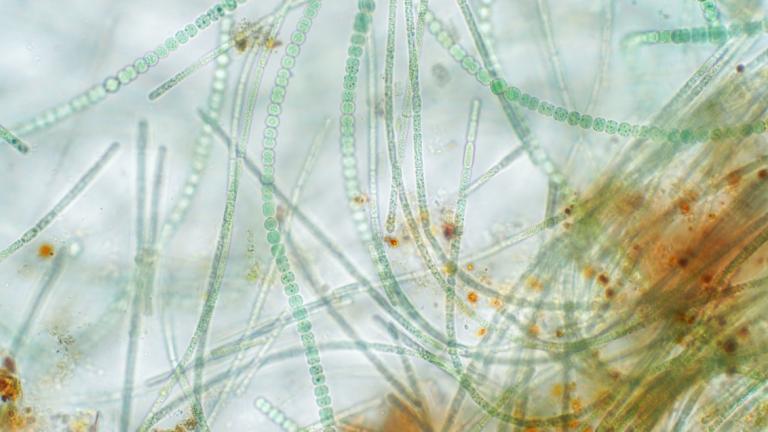
Biologicals are being discussed more in the media for sustainability. But what does this mean for local farmers?
Biologicals are innovative agricultural technologies. They harness the power of nature to protect and improve crops.
They are products derived from or inspired by nature. They may include:
- Organisms
- Natural molecules
- Plant extracts
- Other bio-based materials
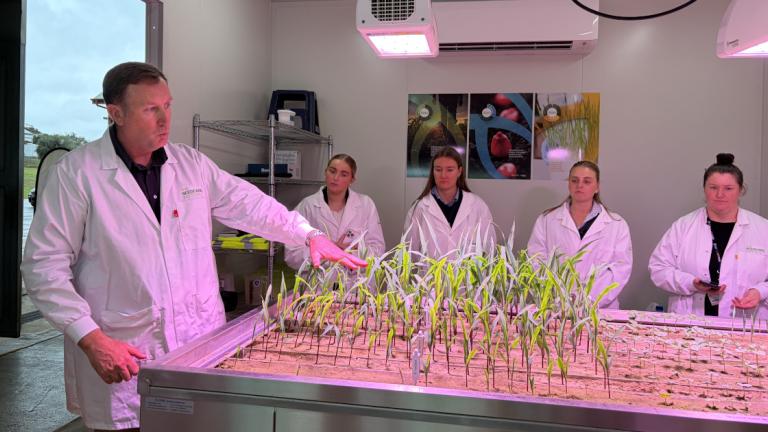
Julian Memoli is Syngenta Australia-New Zealand Product Lead for Plant Health. He said biological products diversify the farmer's toolbox. They help manage and benefit food production. They protect and improve plants' resilience.
"One of the main goals with biologicals is to address important challenges in food and fibre production," he said. "Traditional crop protection and fertilisers haven't addressed these yet, or perhaps aren't able to at this time."
"A holistic approach is the key. Biological options also offer farmers valuable options when targeting certain markets."
Australian and New Zealand farmers work closely with agronomists. Syngenta is inspired by the appetite for innovative new solutions in this field. As a world leader in agriculture research and development, our local team is part of this evolving research.
Biologicals is an umbrella term for a range of technologies:
- Biocontrols
- Biostimulants
- Nutrient use efficiency products
What are biologicals?
Biocontrols
Biocontrols shield crops against:
- Insect pests
- Fungal and bacterial diseases
- Nematodes
- Weeds
Pheromones are one example. They are nature's chemical signals used by pests to communicate. A biocontrol using pheromones can disrupt pests' mating process. This reduces the chances of pests becoming dominant. It protects harvests and growers' incomes. It also creates a more diverse biosphere.
Biostimulants
Think of biostimulants as 'agricultural vitamins' that bolster plant strength. They help plants withstand drought, heat, cold, and other stresses. They enhance crop quality.
Biostimulants can be applied:
- To plants as foliar treatments
- To seeds as seed treatments
- Directly into the root environment
Biostimulants include products that strengthen roots and promote cell growth. They also improve soil health by enriching the micro-biodiversity underground.
Heat and water use efficiency have been one area of our global work. Heat-relieving nutrients and amino acids give stressed plants a boost. This helps them continue photosynthesis, generating energy and sending proteins to the crop. The plant remains greener for longer. This gives it a better chance to reach its full nutritional potential.
Nutrient use efficiency products (NUE)
Nutrient use efficiency products contribute to plant growth, development and yield. This includes biofertilisers.
Certain NUE boost plants' nutrient absorption. They do this by:
- Improving root structures
- Promoting plant growth
- Improving soil health
Syngenta's research into NUE products strives to improve nutrient availability in the soil. We do this by enhancing natural processes like nitrogen fixation and phosphorus solubilisation.
How can biologicals support agriculture?
Farmers are increasingly adopting regenerative cultural practices. These practices:
- Nurture and restore soil health
- Protect the climate, water resources and biodiversity
- Increase productivity and profitability
Australian broadacre growers have led the world in the adoption of direct drill crop establishment. This helps preserve moisture, minimise erosion, and build soil structure.
Biologicals can play a part. They support farmers to use natural resources, like water, more efficiently. They help use farm resources, like fertiliser inputs, more efficiently.
"Soil biology and plant physiology are very old fields of study," Julian said. "They have been the missing piece in crop production when trying to address many real-life challenges in agriculture."
"That is the role of biologicals in an ever-evolving environment. They stabilise overall long-term production in a more holistic approach."
Driving timely adoption of biological products
Confidence plays a part in the adoption of new technologies. Syngenta has strived to support farming communities in traditional crop protection. We will continue to focus on biologicals through:
- Trials
- Product development
- Aftersales service
This approach is even more important with biologicals. It helps agronomists and farmers develop knowledge of the potential. It helps them understand how these new crop solutions work.
To get biological products into farmers' hands without delay, we need efficient:
- Regulatory review
- Trade rules
- Market access
"Knowledge transfer is the key pillar to build confidence when introducing any new technology," Julian said. "The main goal is for growers to own it. That means being involved in the process from the beginning. Where possible, we welcome opportunities to collaborate with farmers and their agronomists in these trials."
Click here to find out more about biologicals.
Like to keep up to date on all the latest developments from Syngenta? Click here to receive news updates direct to your inbox.
ENDs
Syngenta is a global leader in agricultural innovation with a presence in more than 100 countries. Syngenta is focused on developing technologies and farming practices that empower farmers, so they can make the transformation required to feed the world's population while preserving our planet. Its bold scientific discoveries deliver better benefits for farmers and society on a bigger scale than ever before.
Guided by its Sustainability Priorities, Syngenta is developing new technologies and solutions that support farmers to grow healthier plants in healthier soil with a higher yield. Syngenta Crop Protection is headquartered in Basel, Switzerland; Syngenta Seeds is headquartered in the United States. Follow us on LinkedIn, Facebook & X.
® Registered trademark of a Syngenta Group company
™ Trademark of a Syngenta Group company