Australian-first cereal solution for crown rot and nematodes
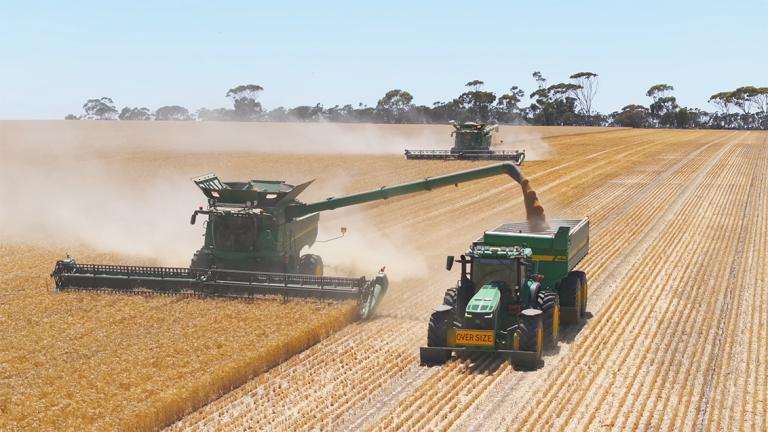
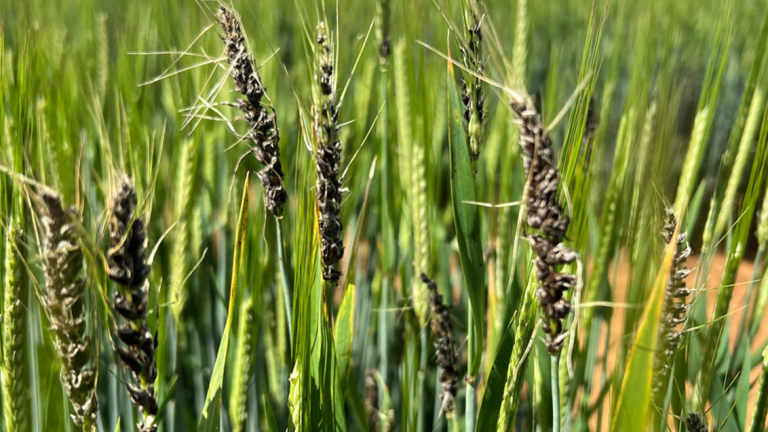
Together, fusarium crown rot and root lesion nematodes are costly, hidden threats that have historically been difficult to manage.
This season, wheat and barley growers have access to VICTRATO® seed treatment. An easy-to-implement management tool, that helps protect plants as they develop to preserve yield.
First registered in 2025 for crown rot, Syngenta Technical Services Lead Dean Hancock said the root lesion nematode extension was welcome news for advisors. Especially those who had already achieved success against crown rot.
"This is a game-changer for Australian growers facing nematode pressure," he said.
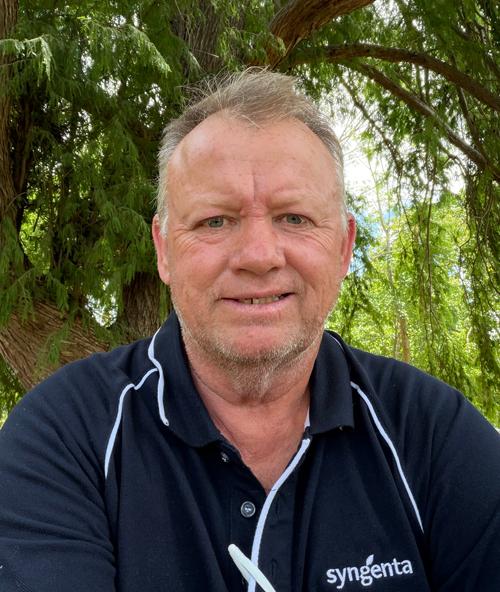
"For the first time, you can address both crown rot and root lesion nematodes with a single seed treatment application, protecting yield potential from the moment seed hits the soil."
Syngenta emphasises that VICTRATO® isn't designed to replace existing management practices—it's an upgrade that fits seamlessly into integrated pest and disease strategies. "VICTRATO® gives growers a new tool to reduce risk and protect their investment," Dean added. "Whether you’re facing crown rot, root lesion nematodes, or both, this seed treatment delivers protection where it matters most—right at the root zone." VICTRATO® seed treatment has been formulated for ease of handling, being highly compatible and simple to use. Syngenta has invested heavily in helping the industry achieve optimal treatment results, on two fronts.
On one, The Syngenta Seedcare™ Institute has completed a nationwide benchmarking exercise, sourcing treated seed samples from professional seed graders. This has provided valuable guidance on coverage quality (crucial for performance), and dust-off (environmental and user safety). On the other hand, Syngenta has conducted workshops with growers who treat their own seed, focused on The Three Cs; clean seed, equipment calibration and seed coverage. A handful of grower-treated seed samples were also included in the benchmarking exercise.
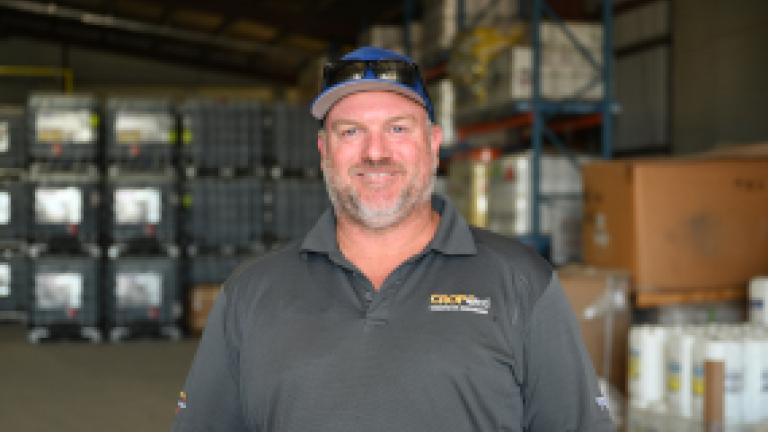
Craig Whiting, Syngenta Seedcare™ Technical Lead and Seedcare Institute Manager, Wagga Wagga, said while there was room for improvement, there were still many excellent samples submitted.

“Coverage is critical, patchy coverage can only result in patchy performance at best which is why we have taken the time to undertake this feedback exercise,” he said.
“Having run the samples through the QuestPro, using high speed cameras to assess coverage, and by using the Heubach dustmeter to measure dust-off, there’s been some pleasing results.”
Having assessed 110 samples, these were ranked 1-5 (one being excellent, and five inadequate). Of the submitted samples, 73% were in the adequate-to-excellent ratings. The remaining 27% were identified as candidates for improvement.

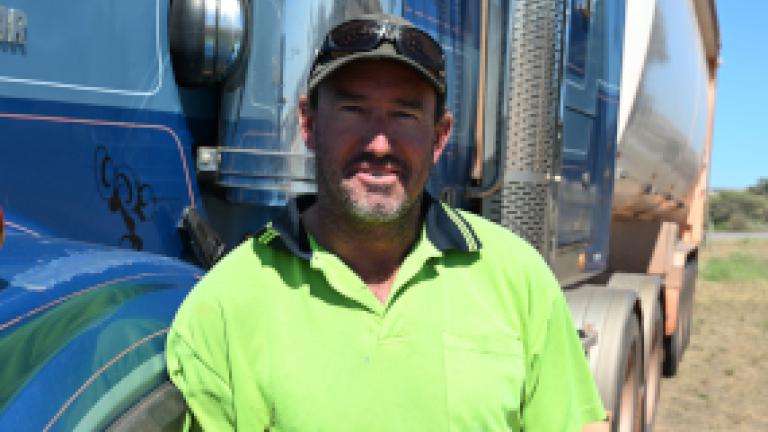
One of the standout samples was submitted by a Western Australian grower, Danny Shankland, Y-Not Farms. Having achieved excellent coverage and low dust-off, Danny observed a 300kg/ha yield increase at the completion of a commercial-scale trial of VICTRATO® at Cadoux in December 2025.
“We've been dealing with crown rot since about 2012…we really started to notice it through the Mace and Scepter varieties,” he said.
“Compared to the untreated areas, I saw a lot more white heads in those areas. Now that we have some sort of solution to minimise the risk, I plan to use VICTRATO® throughout my top farm at Cleary.”

VICTRATO® seed treatment is registered for application at 200-400mL/100kg of seed, depending on crown rot and root lesion nematode pressure. When paired with VIBRANCE® seed treatment, users benefit from protection against smuts, bunts and damping off diseases – Rhizoctonia and pythium.
Advisors working on paddock plans with growers have the benefit of the VICTRATO® ROI Calculator. This enables users to calculate their expected return on investment by nominating their crop type, planting rate, commodity price, estimated yield increase and application rate. The webpage also offers a map view of the 400-plus trials conducted, to view yield results with relevance to numerous regions.
From the 90-plus seed safety trials, Syngenta said there was no negative effect on germination or seedling vigour.
For more information about incorporating VICTRATO® into your crown rot management program, contact your local Syngenta representative.
ENDs
Syngenta is a global leader in agricultural innovation with a presence in more than 100 countries. Syngenta is focused on developing technologies and farming practices that empower farmers, so they can make the transformation required to feed the world’s population while preserving our planet. Its bold scientific discoveries deliver better benefits for farmers and society on a bigger scale than ever before.
Guided by its Sustainability Priorities, Syngenta is developing new technologies and solutions that support farmers to grow healthier plants in healthier soil with a higher yield. Syngenta Crop Protection is headquartered in Basel, Switzerland; Syngenta Seeds is headquartered in the United States. Follow us on LinkedIn, Facebook & X.