Excellent residual saving an extra pass for Western Victorian farmers
Even in the wettest seasons, CALLISTO® pre-emergent herbicide is delivering long lasting control of problematic broadleaf weeds in the Western District of Victoria helping to manage the logistics of post-em applications and manage herbicide resistance in high-rainfall areas.
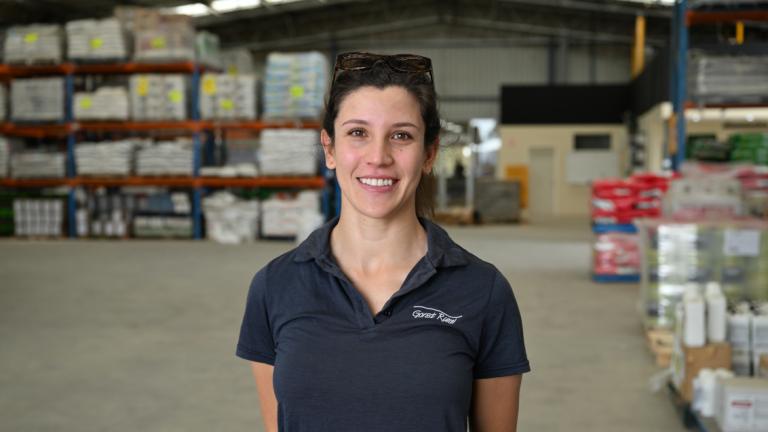
Gorst Rural Agronomist Sonia Marquardt, Lake Bolac, said the region receives 500-800 mm of rain every year.
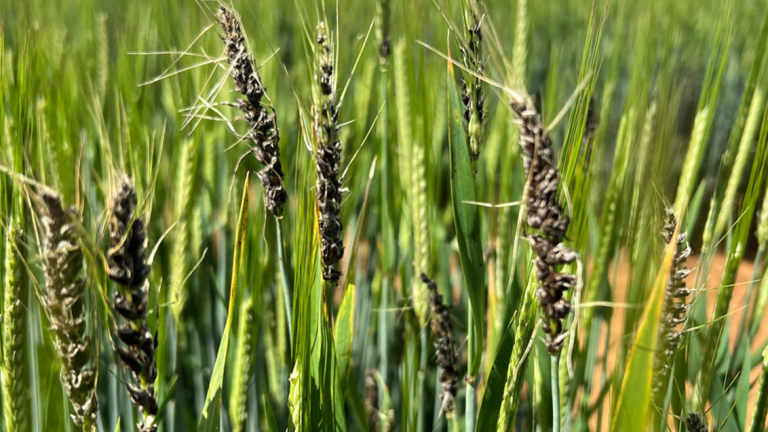
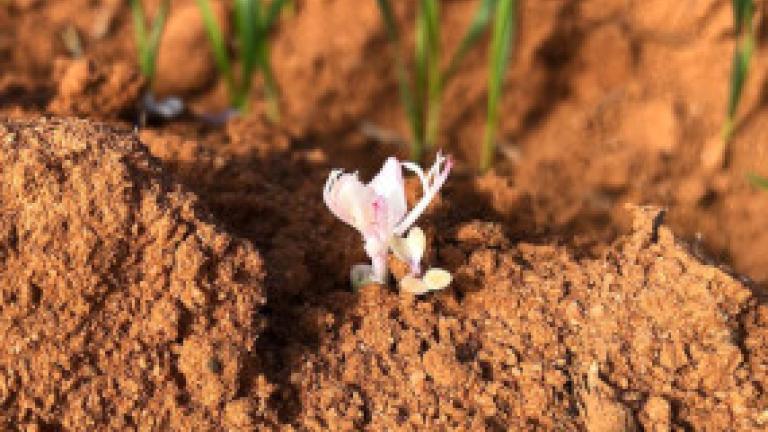
“Between microbial activity and hydrolysis, herbicides can break down pretty quickly in a high rainfall environment, so it does make it interesting,” she said. CALLISTO® pre-emergent herbicide offers excellent persistence in the soil, while maintaining a short re-crop interval of just 9 months with 250mm of rain. Its novel mode of action HPPD inhibitor (Group 27) interrupts carotenoid pigment formation within target weeds, resulting in a white or pink discoloration of weeds indicating disruption of photosynthesis.
“The weeds come up a nice white color - bleach them - and (eventually) die off,” Sonia said.
“I first used CALLISTO® three years ago, it was a very wet year, and CALLISTO® did a very good job.”
Sonia has continued to recommended CALLISTO® herbicide as part of her weed management recommendations to clients, in a tank mix with grass herbicides.
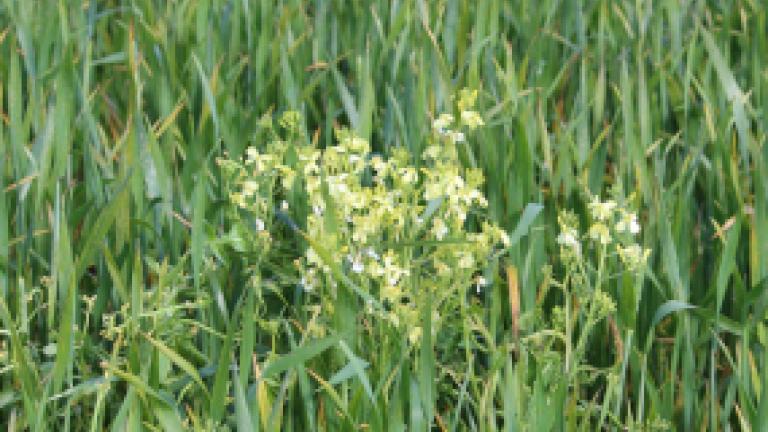
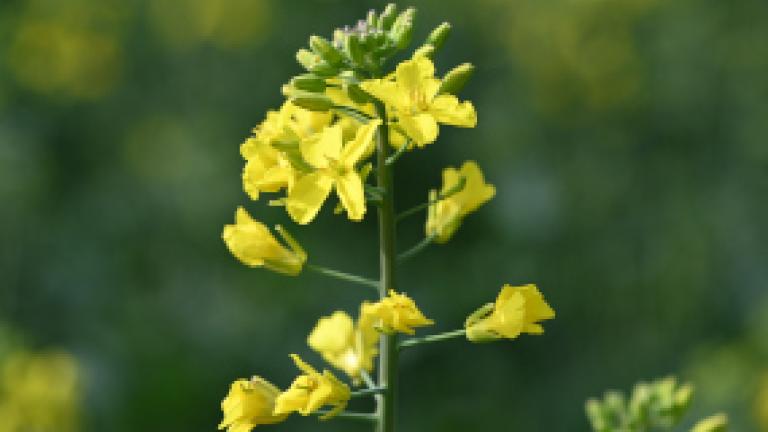
“CALLISTO® controls the key broadleaves from wild radish to sub clover and volunteer canola,” she said.
Its long residual activity may eliminate the need for early post-emergent applications.
“It gives us residual protection for 8-12 weeks, where (some) growers don't have to make another pass for their early broadleaf control."
“If there are broad leaf weeds later in the year, we can then tie (a post-em herbicide) in with a fungicide spray… and clean them up that way.”
“Saving a pass is very important, especially when you've got other crops to worry about and other things to sow.”
Sonia said Gorst Rural services farmers in a 100 kilometre radius of Lake Bolac through the areas of Skipton, Willaura and Tatyoon, with a typical cropping rotation being canola, wheat, barley and faba beans.
Soil types in the region vary from heavy clays to sandy loam and sand. CALLISTO® delivers results across all of these types with flexible application rate range from 100-200 mL/ha. Sonia recommends adjusting rates based on soil type and weed pressure: “With the sandier soils, I recommend 100-150 mL and with the heavier soils, where I know I've got a big problem, I'll up the rate of CALLISTO® to 200mL/Ha,” she said.
“For sub clover I suggest going to the higher rate of 200mL, while radish control has been really good at 150 mL/Ha.”
CALLISTO® herbicide can be applied incorporated by sowing and combined with a knockdown herbicide. Seed-soil separation is key, as with all pre-emergent herbicides.
Prefer PSPE? See the CALLISTO® label for rates and other details
“We want to make sure the knife point press wheels are doing the job and not throwing over too much soil, but we haven't had any issues with crop effects,” Sonia said.
“Cereal seed here is sown at a dept of 3-5 centimetres…getting that seed deeper, going slow and making sure you're not throwing soil back into the furrow are the key points.
“With most IBS brews, CALLISTO® (mixes) really well. It’s a great product to use and very easy for growers or contractors.
“In this area we have about 40 per cent resistance to glyphosate so paraquat does the heavy lifting and mixes well with CALLISTO®.”
The herbicide's versatility is a significant advantage. Registered crops include not only wheat and barley but oats and triticale. Sonia said having wheat, barley and oats made it a very flexible option for her area.
“Where we use CALLISTO® is a paddock-by-paddock scenario,” she said. "If it's really bad radish, I'll definitely use it after canola, if I know it's going to be there.
“Usually, the canola gives us a good phase to clean up those broadleaves so I tend to leave CALLISTO® to barley.
“For barley, and also oats, it is quite tricky getting weed control options.
This flexibility is particularly valuable in areas with limited weed control options. “For oats, it's been a game changer, CALLISTO® helps keep it a low maintenance crop having that long residual to save them another pass.”
Sonia said CALLISTO® was particularly good for controlling wild radish and by equal measure volunteer canola plants.
In an area where glyphosate resistance is becoming a concern, CALLISTO® offers a novel mode of action to help manage resistance. “Year by year, radish is getting harder and harder to control, CALLISTO® is definitely a (novel) mode of action that we can utilise to manage resistance,” she said.
Keeping crops clean is the goal, balancing the area’s enviable rainfall with the tendency for weeds to germinate at the worst time. Another reason CALLISTO® provides peace of mind.
The herbicide's long residual control is also beneficial during extended sowing periods. As Sonia stressed, it can be hard enough to manage germinations without adding trafficability concerns to the mix. And with sowing spanning six weeks or more, from late April well into May, CALLISTO® makes the logistics considerably easier with the confidence of up to 12 weeks’ residual control.
In conclusion, CALLISTO® pre-emergent herbicide is proving to be an effective, flexible, and reliable solution for broadleaf weed control in high-rainfall cropping systems. Its ability to provide both immediate and residual protection, coupled with its role in resistance management, makes it a valuable tool for growers in the Western District of Victoria and similar high-rainfall regions.
ENDs
Syngenta is a global leader in agricultural innovation with a presence in more than 100 countries. Syngenta is focused on developing technologies and farming practices that empower farmers, so they can make the transformation required to feed the world’s population while preserving our planet. Its bold scientific discoveries deliver better benefits for farmers and society on a bigger scale than ever before.
Guided by its Sustainability Priorities, Syngenta is developing new technologies and solutions that support farmers to grow healthier plants in healthier soil with a higher yield. Syngenta Crop Protection is headquartered in Basel, Switzerland; Syngenta Seeds is headquartered in the United States. Follow us on LinkedIn, Facebook & X.
® Registered trademark of a Syngenta Group company.