Crown rot management benefits from joint research
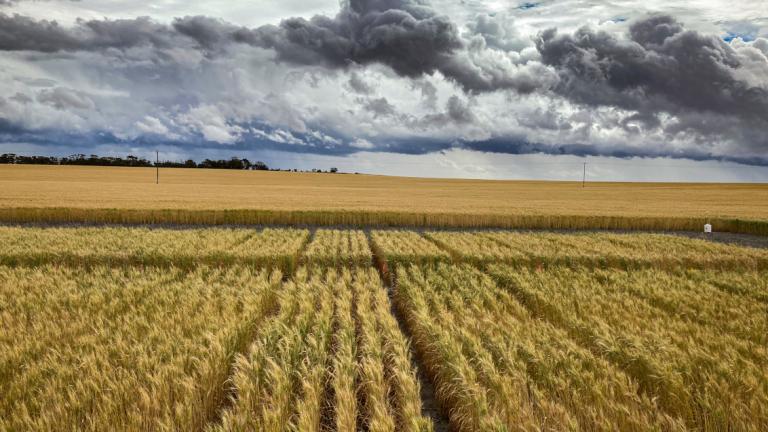
Crown rot of cereals is difficult to manage in current farming systems, but exciting new management options are being assessed in South Australia.
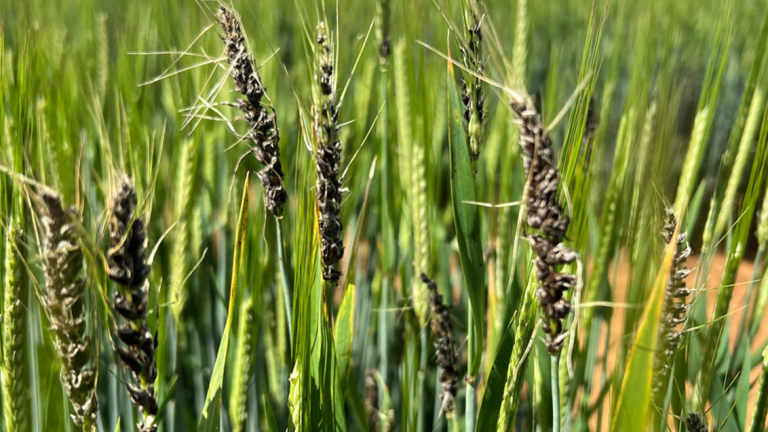
“Yield losses of 20-40% in bread wheat due to crown rot are not uncommon. Even when we’re not seeing white heads, yield loss is occurring,” Elders Tech Services Manager for South Australia Lyndon May said.
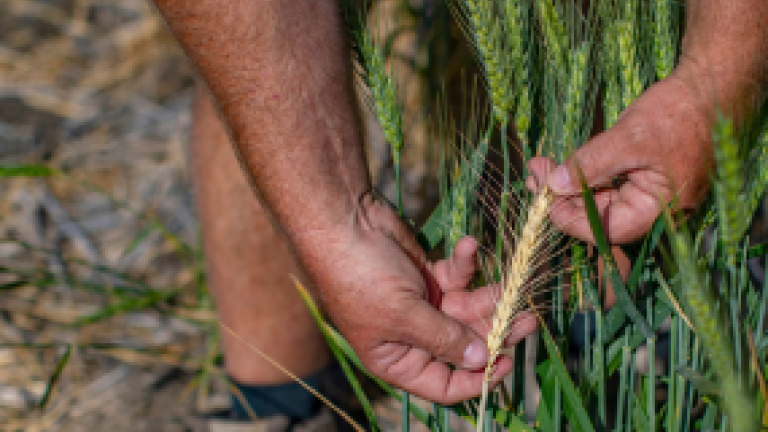
“In our trial work, we’ve seen yield losses of 10-20%, where the only crown rot symptom was browning of stem bases.
“That’s a challenge we face with growers - there can be a significant yield penalty, but they may not recognise there’s a problem unless you see the common signs of white heads.”
One of the industry’s leading plant pathologists, Dr Margaret Evans, knows the challenge all too well from her extensive past with the South Australian Research and Development Institute (SARDI). And it’s a challenge she’s still passionate about at the helm of Evans Consulting.
“Despite decades of research and development across Australia, there’s no simple solution available for managing crown rot yet, and that is a management challenge in current farming systems,” Dr Evans said.
“As well as reducing cereal crop yields, crown rot reduces the flexibility of farm enterprises by dictating what crop types and cereal varieties can and cannot be grown in a paddock”, says Dr Evans.
In South Australia, Elders is meeting the challenges of crown rot management by providing staff with training and with access to the PREDICTA* B analytical service offered by SARDI and by developing better resistance in bread wheat varieties through EPG Seeds (Elders Plant Genetics).
Mr May is also a strong advocate for field research that assesses the efficacy of new fungicide treatments and screens EPG bread wheat lines for crown rot resistance.
“Effective fungicide treatment and improved levels of resistance in well-adapted wheat varieties would be highly desirable additions to crown rot management strategies,” said Mr May, who is determined to promote research that furthers development of such options.
Working with Elders, a prime provider of agricultural advice in Australia, and Syngenta, a global leader in agricultural R&D, “is a great experience,” said Dr Evans, “as it means we have access to a breadth of skills, knowledge, contacts and funding opportunities not normally available to crown rot research programs.”
Mr May said the benefits of this collaboration were already stacking up.
“Providing our Graduates with access to a semi-structured hands-on opportunity to learn practical research skills from an experienced researcher was a major bonus for Elders from engaging Dr Evans to undertake crown rot trial work for us in 2021,” Mr May said.
Elders is a driving force behind this work and their collaborative approach has allowed the company and Dr Evans to pool funding opportunities. As a result, field trials have been undertaken at 4 sites in 2020-2021 and are in progress at 3 sites in 2022, with at least 2 sites planned for 2023. Syngenta Australia aims to gather more data from low rainfall sites and the trial program will provide information from at 1-3 sites in each of 3 years.
This work has also been supported by Syngenta Australia; the Hart Field Site Group; the Upper North Farming Systems Group (UNFS); Agricultural Innovation and Research, Eyre Peninsula (AIR EP) and the South Australian Grains Industry Trust (2 year project).
Syngenta Seedcare™ Technical Specialist Sean Roberts has coordinated crown rot trials across Australia in the process of registering VICTRATO® seed treatment for management of crown rot.
In these trials, Mr Roberts said seed treatment with VICTRATO® has on average resulted in yield improvements in barley, bread wheat and durum wheat.
Mr Roberts and Dr Evans both point out that VICTRATO® will not be a “silver bullet” for crown rot but will need to be pyramided with other management options for best effect.

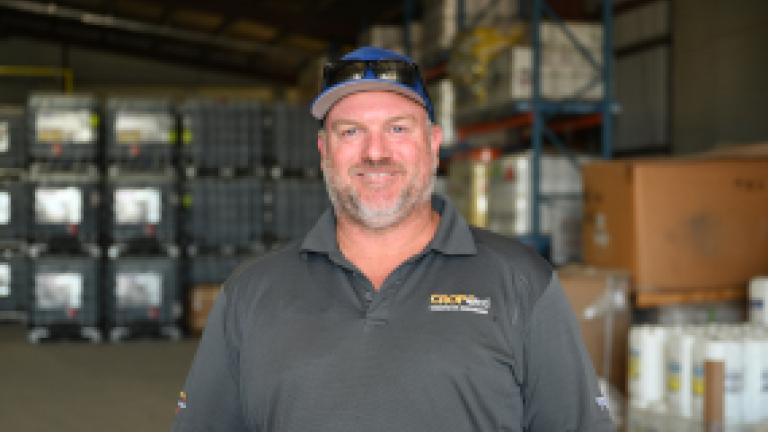
Syngenta Seedcare™ Technical Services Lead Sean Roberts.
As Mr Roberts says - “It’s never been more important to employ all available management methods.” In particular, soil testing and PREDICTA* B analysis to assess the risk of yield loss will provide key information when deciding whether VICTRATO® seed treatment is needed.
Mr May says “We’ve got bread wheat lines showing some resistance to crown rot and if we can combine that with VICTRATO® seed treatment, we’ve got the basis for an excellent control strategy.”
VICTRATO® is not a registered product. A registration application has been submitted to the APVMA.
ENDS
About Syngenta Australia
Syngenta is a leading agriculture company helping to improve global food security by enabling millions of farmers to make better use of available resources. Through world class science and innovative crop solutions, our 28,000 people in over 90 countries are working to transform how crops are grown. We are committed to drive positive change in agriculture and embed sustainability across all aspects of our business.