Product performance vital for table grape yield and quality in the Sunraysia
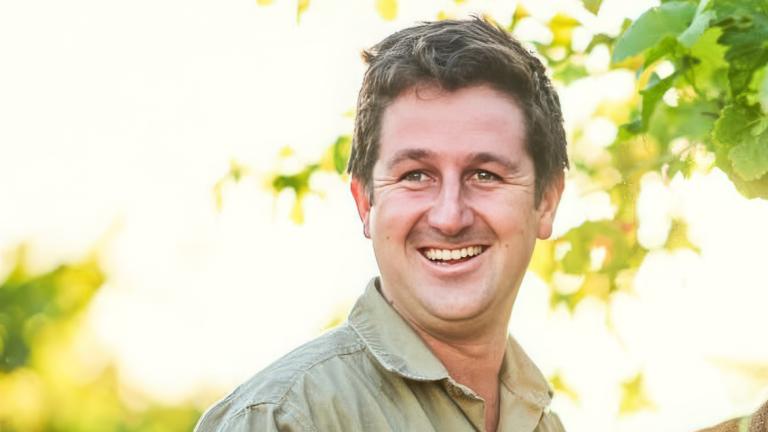
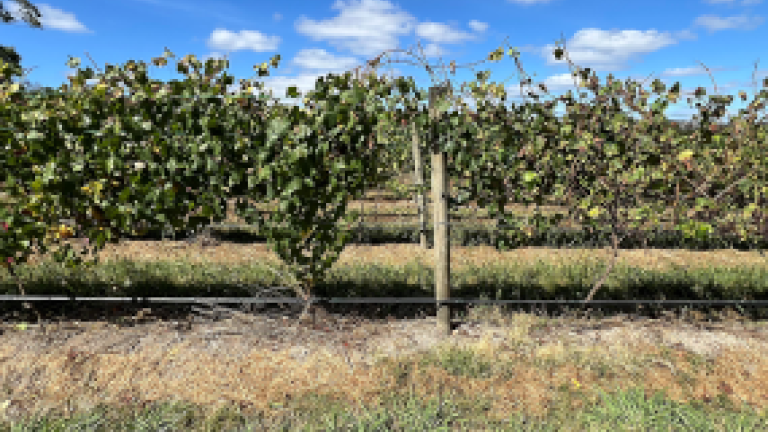
Using the right products for all aspects of table grape production to achieve optimum yield and quality is key to the success of the Fresh Produce Group (FPG) 350-hectare vineyard, south of Mildura, in the Sunraysia region of Victoria.
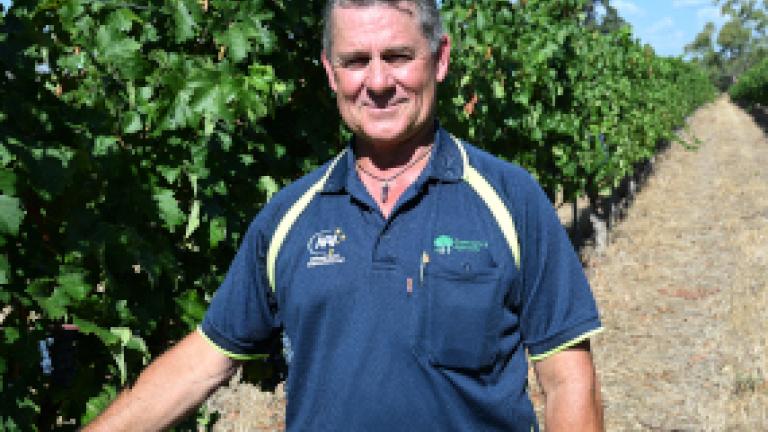
FPG Group Horticultural Technologist, Tristan Smith said table grapes are expensive to grow and, with no profitable secondary markets, it is important to maximise quality.
“The costs that go into getting it to the point of harvest are absolutely insane, so we need to hit our targets,” he said. “If we talk about figures in the way that we talk about crops that go through a pack line, like citrus, then we'd want 80 per cent packed and about 70 per cent of that to be class one.”
“Agronomically, growing grapes in this environment is challenging. We have the heat, but we could have a summer rain, or we could have a cold snap.”
To help counter the variations in weather, covers are commonly put across the canopy although this can change the humidity underneath.
“We do as much as we can to keep good airflow through the canopies, but we are not always 100 per cent successful,” Mr Smith said.
Added to this is the demands of the various export markets in places like south-east Asia where sweet-tasting fruit is preferred.
“We tend to take these grapes through to fairly high brix (sugar content). We rarely pick at 18 brix. Nearly everything is at 20 or above.”
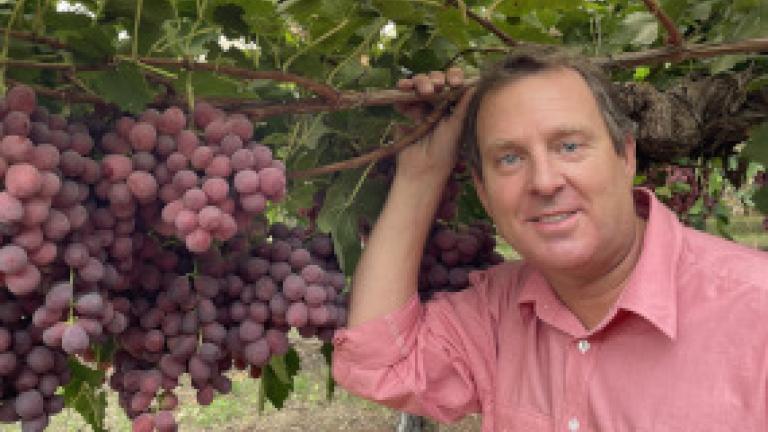
“We push these grapes right up to their genetic potential in terms of size and weight and walk a fine line between too much crop and enough crop to make a profit, which is around about that 27 to 30 tonnes per hectare.”
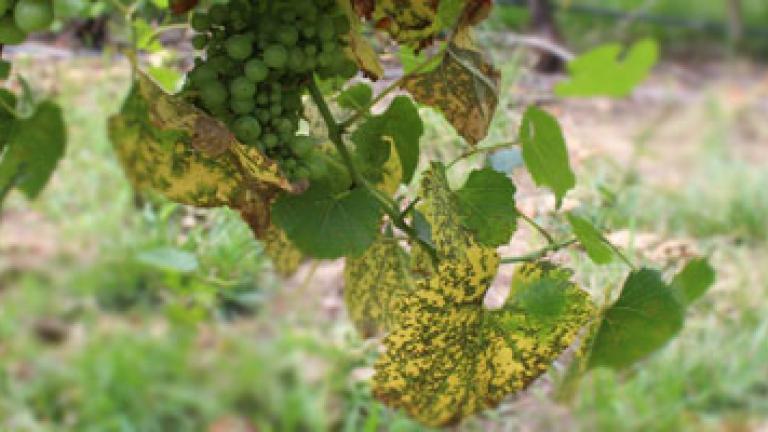
Disease can have a major impact on yield and quality, and a preventative program is put together each season.
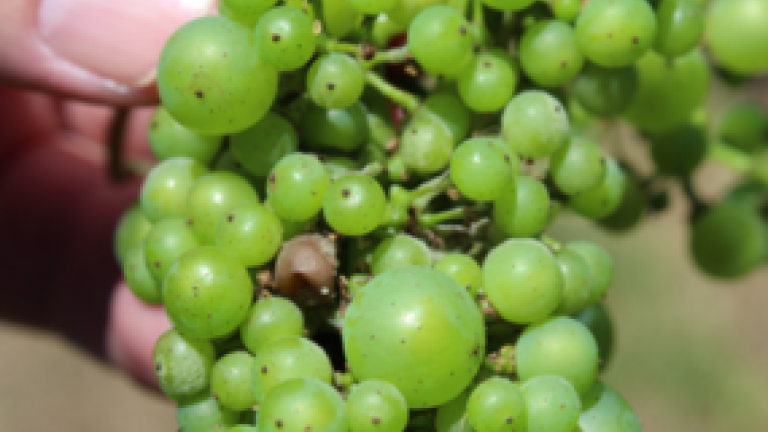
“Botrytis is something we deal with every year – it’s just at varying degrees,” Mr Smith said.
Last season, MIRAVIS® Prime fungicide was utilised as part of the preventative program to control botrytis and powdery mildew.
“An agronomist in our group talked about the success he’s had with MIRAVIS® Prime in blueberries, so I rotated it into the grape program for the first time last year,” Mr Smith said.
“We used it at 80 per cent cap fall which is the most critical time for disease. At that stage I've got an open pollen tube going straight into the ovary of the berry. If I get botrytis, I won't know until I hit 16 brix when it tries to start feeding on the sugar and then everything collapses.”
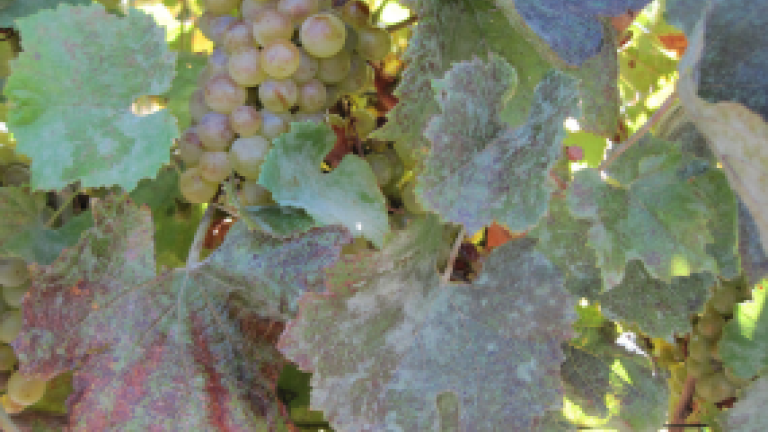
MIRAVIS® Prime fungicide is registered for botrytis and powdery mildew and was tank mixed with REVUS® fungicide (downy mildew) for excellent control of three major table grape diseases.
“We are covering ourselves for powdery, downy and botrytis,” Mr Smith said. “It does benefit us when there is more than one target pest registered on a label.”
He said they had previously used another fungicide in that critical 80 per cent cap fall period, but decided to rotate chemistry groups to reduce the challenges of resistance.
“We are at a point now where new products are coming out less frequently. We’ve seen products stop working so we try to rotate groups as often as we can.”
Another key for the operation is the insistence on using reputable brand name chemistry - even when the patent has run out.
“Too many times we’ve witnessed a generic company release a version that proceeded to mark [blemish] the crop or be of lesser efficacy. It’s not just the physical residue, but also the effect on the bloom. The solvent package is important.”
“We didn’t have any problems with MIRAVIS® Prime and would certainly look at spraying it later in the crop in the future.”
ENDs
Syngenta is a global leader in agricultural innovation with a presence in more than 100 countries. Syngenta is focused on developing technologies and farming practices that empower farmers, so they can make the transformation required to feed the world’s population while preserving our planet. Its bold scientific discoveries deliver better benefits for farmers and society on a bigger scale than ever before.
Guided by its Sustainability Priorities, Syngenta is developing new technologies and solutions that support farmers to grow healthier plants in healthier soil with a higher yield. Syngenta Crop Protection is headquartered in Basel, Switzerland; Syngenta Seeds is headquartered in the United States. Follow us on LinkedIn, Facebook & X.
® Registered trademark of a Syngenta Group Company