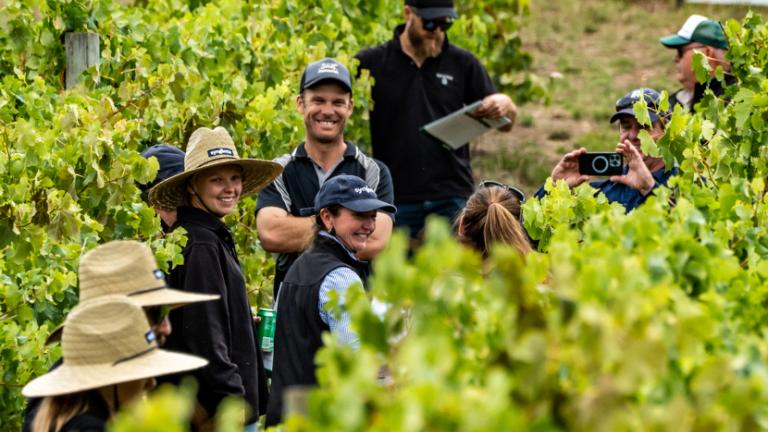
Syngenta viticulture in-field demonstrations lead the way
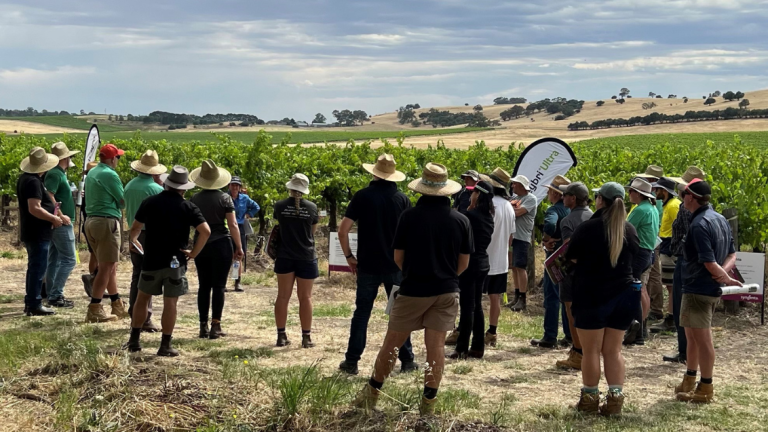
Effective and efficient disease control is more important than ever. In recent months, agronomists and grape growers have taken the opportunity to evaluate three new fungicide innovations being launched by Syngenta.
The three fungicides were featured at Syngenta Learning Centres (SLC). They were used within various programs to demonstrate how application timing can deliver lasting results. This includes placement within the program and other factors like water volume. Results were achieved even under the highest disease-pressure conditions.
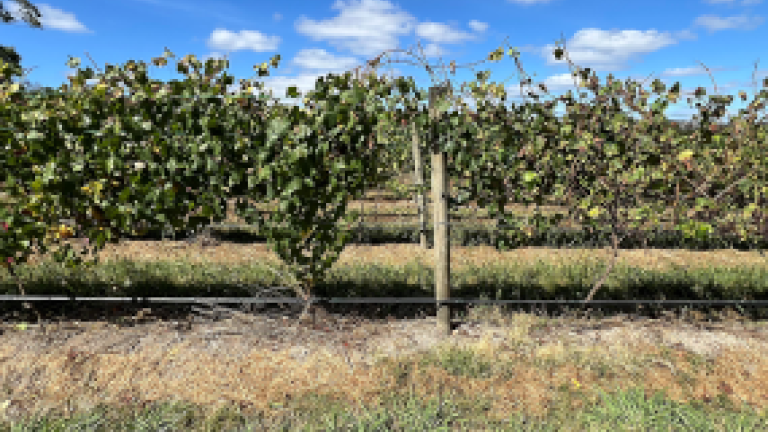
No two seasons are the same. Syngenta Technical Services Lead, Dr Brandy Rawnsley said their new Barossa Valley site (cv. chardonnay) didn't disappoint for highlighting efficacy of new products.
"It's really important that agronomists and growers can gain knowledge and confidence in the performance of new products before they're available for commercial use," said Dr Rawnsley.
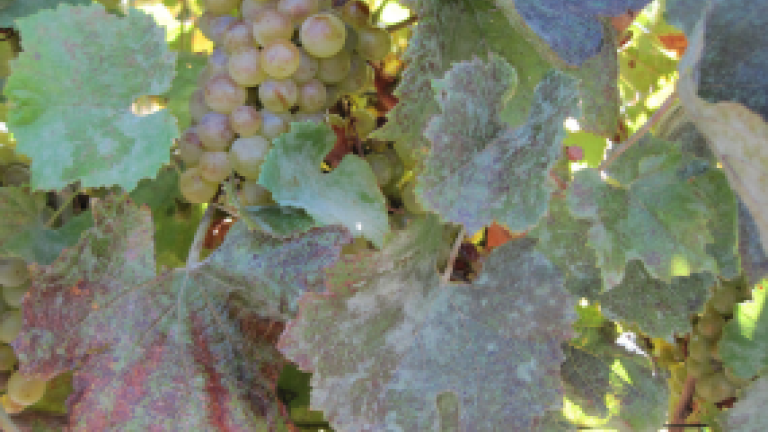
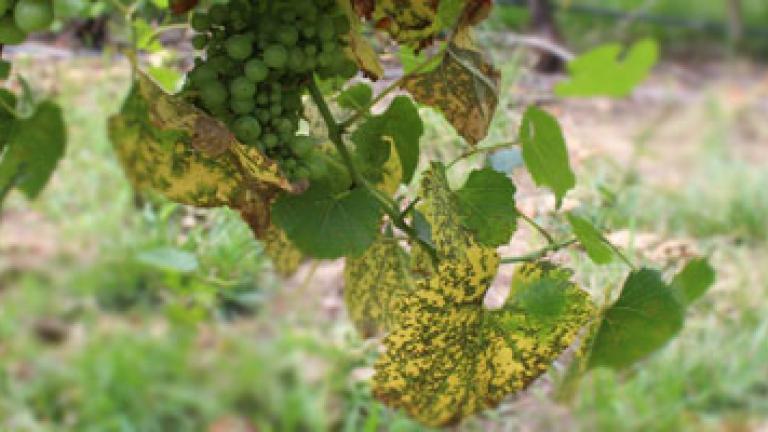
"We chose this new site knowing that powdery mildew had been a challenge here. It had consistently high disease pressure.
"Our guests were able to learn a lot about our products. But the learnings were more in-depth. They could see how the timing of the applications within the program can make all the difference. Achieving the correct dose and water rates is also crucial."
The program included:
- SEEKER® Duo fungicide for control of powdery mildew (now registered ahead of next season)
- KEYBRI® Ultra fungicide for downy mildew (registration application submitted)
- TAEGRO® biological fungicide for botrytis and powdery mildew control (registration application submitted)
"At the Barossa SLC site, we positioned one application of SEEKER® Duo in a sulphur-based THIOVIT® Jet fungicide spray program at different crop stages:
- 5-leaf stage
- 12-leaf stage
- 50% capfall
We compared this against other leading fungicides and an untreated control. Early use of SEEKER® Duo fungicide was outstanding. When used in a program with MIRAVIS® fungicide, it was clearly the best for getting on top of disease early."
Paul Pezzaniti, Senior Agronomist, Platinum Ag, Virginia said it was the best site yet.
"The vineyard is notorious for powdery. It has taken us three years to understand the pressure from the area and variety (Chardonnay)," he said. "Where THIOVIT® Jet was used at the start of the season followed by one spray of SEEKER® Duo at 5-leaf stage, it really made a huge difference for control of powdery mildew".
Amanda Mader, Technical Viticulturalist, Vine Scout was impressed with the professionalism and informative sessions at the SLC.
"I appreciate the opportunity to look at new versus old chemistry. Normally I would trial only a small area or half a block with a new product. But moving forward I have no hesitation putting SEEKER® Duo in a spray program. I've seen it work visually and with the stats behind it".
The site formed an ideal backdrop for international expert Dr Walt Mahaffee to visit. Dr Mahaffee is a Research Plant Pathologist with U.S. Dept Ag (USDA)/Oregon State University. He discussed disease monitoring and spore movement in the vineyard.
Supported by Syngenta and Nutrien Ag Solutions, Dr Mahaffee detailed how spore monitoring assisted decisions for:
- Fungicide timing
- Which fungicide to use
Dr Mahaffee explained powdery produces up to 35 generations per season. So it's all about limiting development of disease and slowing growth of the fungus early in the season.
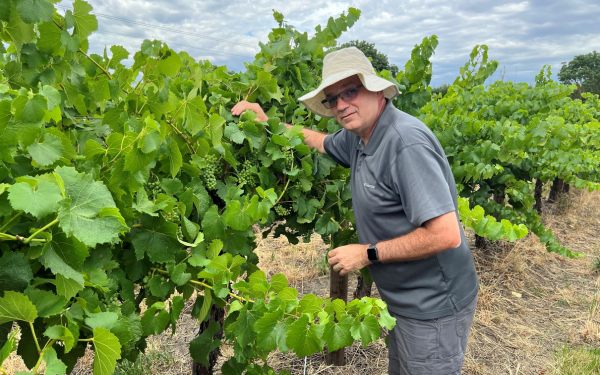
Demonstration sites provide the opportunity for networking and resolving problems within the industry. Downy mildew was at the forefront of growers' minds after the previous season. It was timely to look at KEYBRI® Ultra fungicide and the benefits of translaminar activity compared to a protectant copper application.
Excitement was also generated by TAEGRO®, a biological fungicide with expected registration late in 2024.
For more information on Syngenta's latest developments, contact your local Syngenta representative.
Note: TAEGRO® fungicide is not registered. An application has been submitted to the APVMA.
ENDs
Syngenta is a leading agriculture company helping to improve global food security by enabling millions of farmers to make better use of available resources. Through world class science and innovative crop solutions, our 28,000 people in over 90 countries are working to transform how crops are grown. We are committed to drive positive change in agriculture and embed sustainability across all aspects of our business.
® Registered trademark of a Syngenta Group company
™ Trademark of a Syngenta Group company