SIMODIS® insecticide welcomed for management of problem pests
Introducing SIMODIS® insecticide
SIMODIS® insecticide, with PLINAZOLIN® technology, marks the next evolution in insecticide technology for protecting plant health. Some have described it as the most significant launch since Group 28s arrived a decade ago. This novel mode of action is the first Group 30 registered in key vegetable crops.
Southern launch at Victorian Vegetable Innovation Days (VicVID)
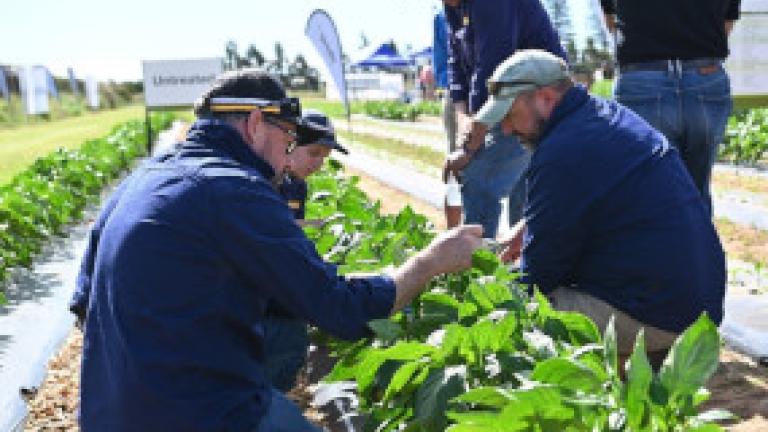
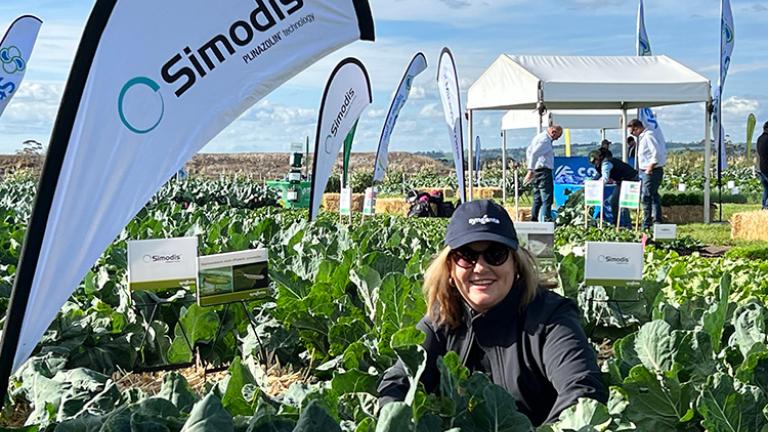
Syngenta demonstrated SIMODIS® insecticide on brassica crops at the Elders sponsored VicVID in April. This was in effect the southern launch of SIMODIS® insecticide, following the grand unveiling at Syngenta GrowMore in November, 2022.
The Lockyer Valley event included applications on:
- Fruiting vegetables (tomatoes)
- Cucurbits (rockmelon)
- Brassicas (broccoli)
- Bulb vegetables (spring onions)
Agronomist feedback
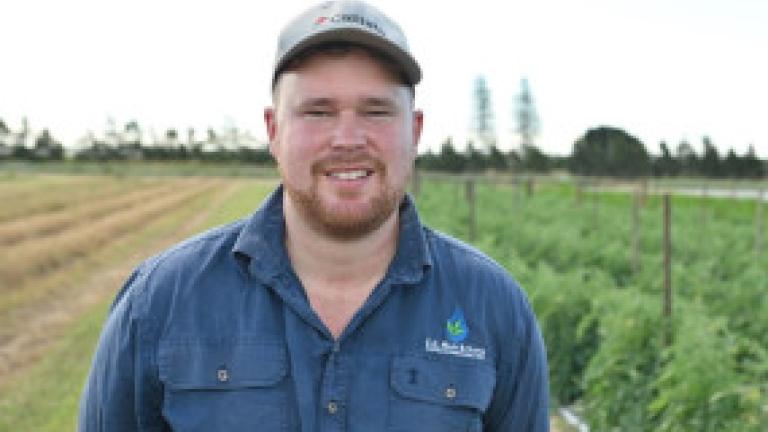
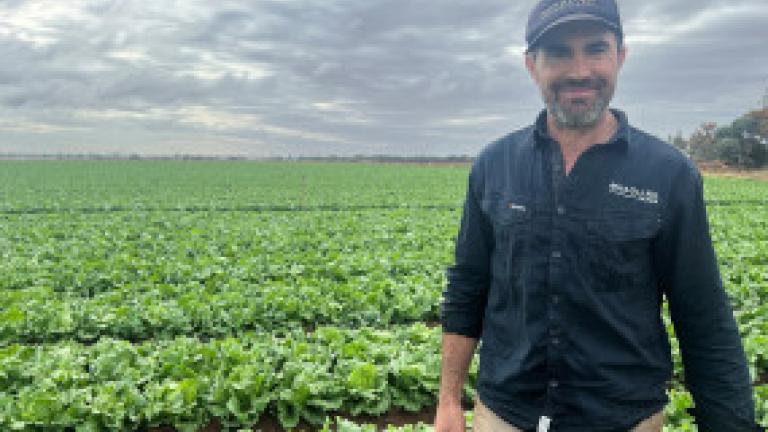
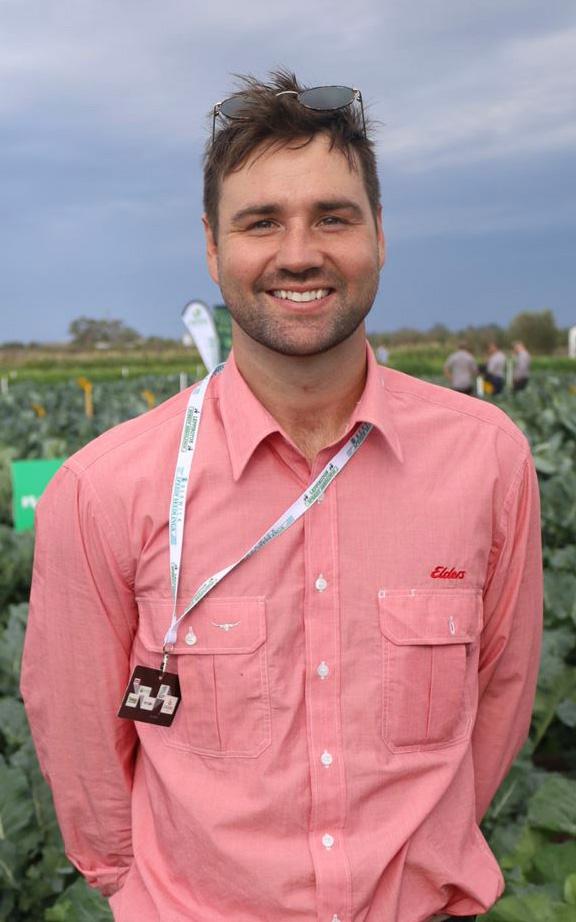
Elders Pakenham Agronomist Connor Steel worked closely with Butler Market Gardens, this year's hosts for VicVID. He liaised with industry and the various seed and crop protection companies in establishing the Catani site.
Mr Steel said SIMODIS® insecticide had proven to be an impressive product from an efficacy and a residual perspective. He felt comfortable that growers understood that scouting for insect pests was vital to make the most of the product and its numerous strengths.
"My growers who have used it have been really impressed with it and the length of control, [while] understanding it's not systemic," he said. "Not only does it have the residual activity, the range of pests it has been able to control has been really good too... it's found a massive fit already, and I can see it having a large summer ahead."
Mr Steel said the benefit of an event of this breadth was giving growers access to all things new in horticulture, relevant to their patch. This included seed varieties, insecticides, fungicides and more.
"Visitors to the site were able to see what a Syngenta spray program looks like, and the level of control, not only with pests, but diseases too," Mr Steel said. "From white blister control to downy mildew control. It's also the products from other suppliers, as well with bio stimulants and different seed varieties, which was really good because it doesn't happen very often."
Technical performance
Also in attendance was Syngenta Technical Services Lead Len Ibbotson. Mr Ibbotson said SIMODIS® insecticide offers reliable, robust and extended residual efficacy in key horticultural crops. It helps growers tackle resistant and traditionally hard-to-control pests with the novel Group 30 insecticide.
Key registrations include:
- Diamondback moth
- Two-spotted mite
- Western flower thrips
"As Platinum sponsors of VicVID23 we were pleased to see so many people make the most of this opportunity to connect with the industry," he said. "They could see the benefits of SIMODIS® insecticide on brassicas and MIRAVIS® Prime fungicide on leafy vegetables."
"For the 2023 event, we chose to demonstrate MIRAVIS® Prime on leafy vegetables and SIMODIS® on brassicas, as part of commercial spray programs. We adjusted timings and product choices in response to seasonal growing conditions and included untreated control plots for comparison.
"The MIRAVIS® Prime program, applied to lettuce and leafy vegetable crops, displayed excellent control of Sclerotinia. This was even under conditions of considerable disease pressure in a high-density planting of baby-leaf lettuce.
"Similarly, SIMODIS® performed well protecting three different brassica varieties from the Lepidoptera chewing damage observed in the neighbouring untreated control plots."
Diamondback moth – redefining control
Resistance has been reducing the efficacy of some well-known chemistries in a growing number of horticultural areas.
In Gatton, Queensland in 2018, SIMODIS® insecticide (plus AGRAL® spray adjuvant) was compared to industry standards for the control of diamondback moth (DBM) in a cauliflower crop.
Insecticide treatments were applied 7 weeks after transplanting. At this point the harvestable cauliflower was at 60% head diameter (BBCH 46). The number of DBM larvae and pupae per plant were assessed 7, 14 and 20 days after application (DAA).
Trial results:
- All evaluated insecticides effectively controlled the DBM population at 7 DAA (Figure 1)
- At 14 DAA, SIMODIS® insecticide offered significantly better control than the commercial standards Success* Neo (Group 5), Coragen* (Group 28) and PROCLAIM® Opti insecticide (Group 6)
- At 20 DAA, larvae and pupae numbers increased nearly threefold in the untreated control following a significant egg lay
- Despite this, SIMODIS® insecticide continued to control the DBM population
Applied late in the crop (BBCH 46), when the vegetative growth had slowed, the residual activity of SIMODIS® insecticide was evident (Figure 1).

Two-spotted mites – resistance management resource
In Bowen, Queensland in 2019 SIMODIS® insecticide (plus AGRAL® spray adjuvant) was applied on a cucumber crop. It was compared to industry standards for control of two-spotted mites (TSM).
In the untreated control, the TSM continued to increase throughout the trial. More than 60 motiles per 20 mm leaf disk were recorded 22 days after the trial began (Figure 2).
SIMODIS® insecticide effectively reduced the density of eggs, nymphs and adult mites to very low levels. SIMODIS® insecticide continued to record strong residual activity out to 22 DAA.
As a contact insecticide, the residual activity of SIMODIS® insecticide may be influenced by crop growth stage and spray coverage.

Syngenta vegetable seeds
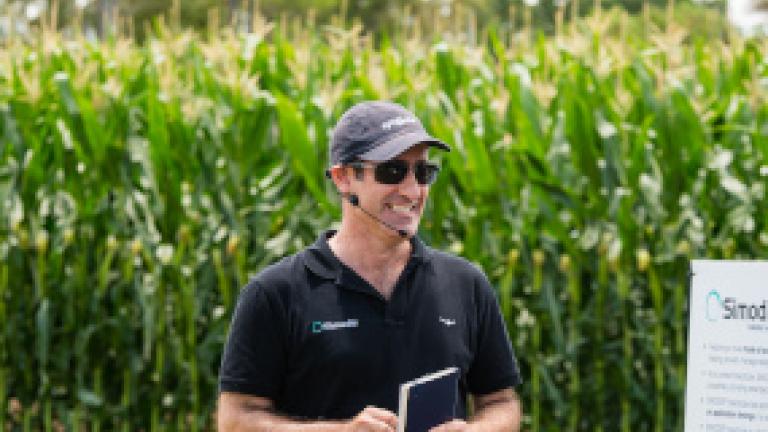
Chris Manning, Syngenta ANZ Leafy Veg Portfolio Manager said the Catani trial site was also a fantastic opportunity for growers to discover what's new in our industry. Vegetable seed varieties were also demonstrated.
"Fairbanks Seeds, Syngenta's distribution partner for all leafy veg and brassica seed, did a fantastic job showcasing our latest innovations," he said.
"The field day was a huge success. We had quite a few people come through from New Zealand, Australia and our invited guests Yohan Barrier & Leszek Klimczak, Regional EAME and APAC portfolio managers on site as well.
"Having our regional portfolio managers at the field days with their experience was invaluable! They could readily share the breeding history and talk to our pipeline with so much experience. They could offer solutions within our existing portfolio to suit our growers."
To discuss your vegetable crop needs, speak to your local Syngenta representative.
ENDs
Syngenta is a leading agriculture company helping to improve global food security by enabling millions of farmers to make better use of available resources. Through world class science and innovative crop solutions, our 28,000 people in over 90 countries are working to transform how crops are grown. We are committed to drive positive change in agriculture and embed sustainability across all aspects of our business.
® Registered trademark of a Syngenta Group company
™ Trademark of a Syngenta Group company