Seedcare Institute expands to accelerate Biologicals
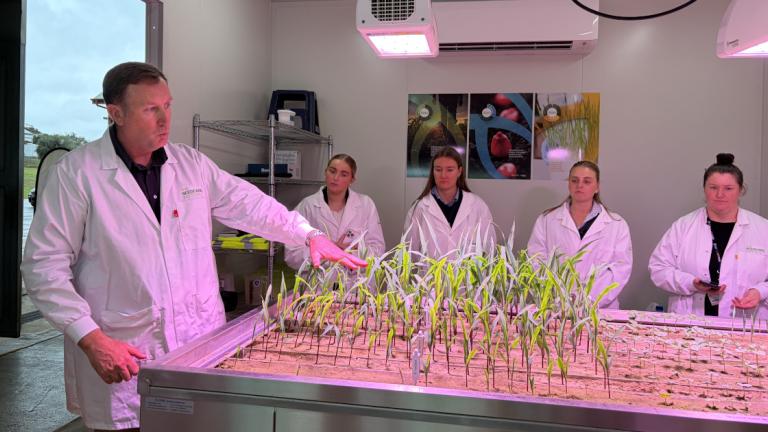
Syngenta ANZ’s Seedcare Institute at Charles Sturt University’s Agri Park, Wagga Wagga, is being expanded to support the rapidly growing field of biologicals.
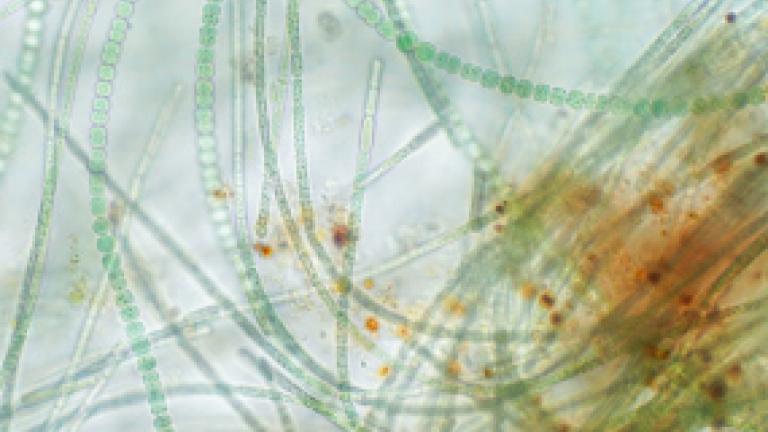
Biologicals are innovative agricultural technologies that harness the power of nature to protect and improve crops. They are products either derived from or inspired by nature, which can include organisms, natural molecules, plant extracts, and other bio-based materials.
The Syngenta Seedcare Institute was established in 2018 to encourage safer and more effective ways to apply seed treatments to seeds.
The Institute’s remit will now be expanded to develop and evaluate biological products that help plants with abiotic stress (drought and heat stress), nutrient use efficiency, biocontrol of pests and inoculants to improve plant health and function.
Garth Wickson, Head of Seedcare and Plant Health, Syngenta ANZ said creating a purpose-built biologicals facility gives Australian growers earlier access to locally tested biological crop solutions.
“Our aim is to test and evaluate these technologies under local conditions to answer the question that matters to growers: ‘Will it work here, in this field, in this season?’,” Mr Wickson said.
Syngenta has invested in a new environmentally controlled growth room fitted with a thermogradient table and expanded growth shelving, letting researchers more easily test how biological and seedcare products perform across a range of soil temperatures and other variables.
Additional investment in new equipment in the existing labs builds the capability to further enable biological product evaluation and development.
The first product to be tested at the facility is a nitrogen-fixing inoculant, Atuva, for chickpeas, faba beans and lentils.
Syngenta aims to be the global leader in biologicals and has made significant investments in Europe and the USA to acquire biological technology and scale manufacturing.
The global agricultural biologicals market is forecast to exceed USD $20 billion by 2030 with Australia well placed to benefit as adoption accelerates across horticulture and broadacre systems.
“We will work closely with our global team to source promising biological products.
“Expanding to become The Seedcare and Biologicals Institute is a game-changer.
“We aren't just adding products to a portfolio; we are providing the agronomic expertise to understand how biologicals complement and enhance conventional chemistry.
It’s about making innovation something our customers can see, test, and trust,” Mr Wickson said.

About Syngenta
Syngenta is a leading science-based agricultural technology (AgTech) company, creating Breakthroughs for farmers, in every field™ to help meet the demands of modern agriculture. Using cutting-edge innovation and guided by its Sustainability Goal of higher yields with lower impact, Syngenta helps farmers to grow resilient, healthy crops that can feed a growing global population, while protecting and enhancing the planet. Syngenta employs more than 30,000 employees in over 90 countries and is part of Syngenta Group. It consists of two business units: Syngenta Crop Protection, headquartered in Switzerland, and Syngenta Seeds, headquartered in the United States.
To find out more about how Syngenta creates breakthroughs for farmers around the world, read our stories and follow-us on social media.