Making potato crop monitoring and targeted sprays a part of your integrated pest management program
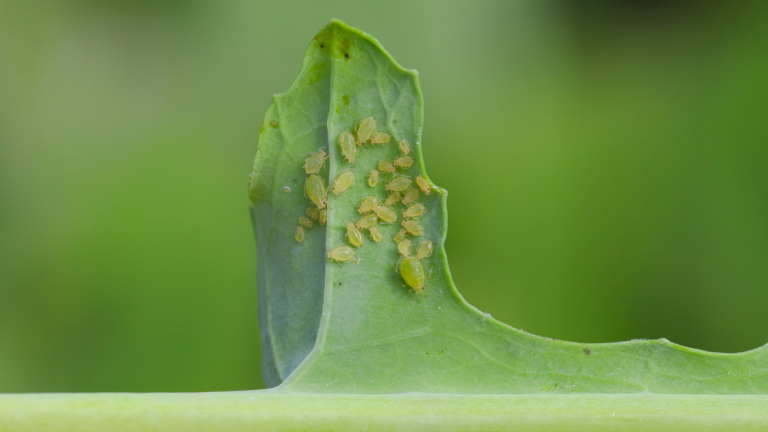
Insect pests like aphids and jassids can severely reduce both the yield and quality of potato crops. Green peach aphid and potato aphid directly damage crops by sucking sap and in large numbers can reduce plant growth. Aphids also transmit viruses, including potato virus Y and potato leafroll virus. Vegetable jassids, also known as leafhoppers, are also sap suckers and can inject a toxin during feeding.
Integrated pest management incorporates a range of strategies to tackle insect pests while improving crop yields and quality, maintaining a healthy local ecosystem. Syngenta Technical Services Lead Len Ibbotson said regular monitoring is the cornerstone of good management and should always be the basis of deciding how and when to apply control measures, which may include insecticides.
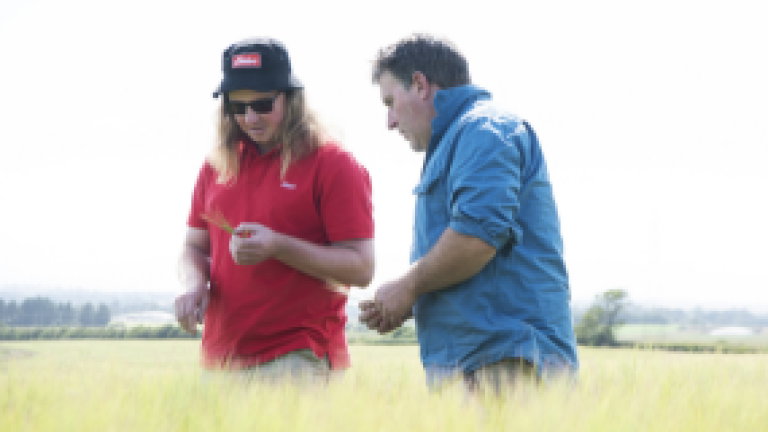
“Monitoring twice a week is a good approach. Good monitoring means systematically moving through the crop looking for pests, not just winding down the window and having a look as you drive past,” said Mr Ibbotson.
“Several methods can be used when monitoring a crop, walking in either a V, X or W pattern and randomly selecting between 50 to 100 plants to examine for pests.”
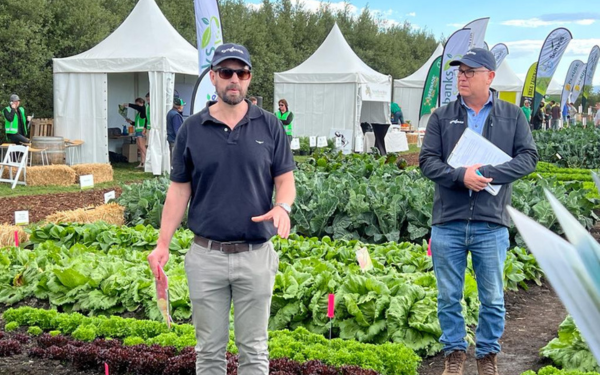
The larger the paddock, the more plants that should be inspected. Random selection of plants is key to getting an accurate indication of insect populations and any unusual plants (crops or weeds) should be recorded.
“Inspect the top, middle and bottom of the leaf as well as the stalk. I’ve often found insects on areas of the plant you wouldn’t expect to see them,” said Mr Ibbotson.
If monitoring shows that pests have reached local economic thresholds, then registered insecticides can be targeted management option. Syngenta has a range of insecticides registered in potatoes to tackle green peach aphid, potato aphid and vegetable jassids.
“For green peach aphid we have CHESS® insecticide, which is a Group 9B. It has translaminar and locally systemic activity, protecting both sides of the leaves and topping aphids feeding within one hour of ingestion. The effects are irreversible – they can no longer suck sap or transmit viruses,” said Mr Ibbotson.
“CHESS® insecticide persists in the leaf for up to two weeks, offering strong residual protection against green peach aphid.”
“It’s an important rotational option, for use in a program incorporating other mode of action groups, to reduce the risk of resistance development.”
CHESS® insecticide has minimal impact on beneficial insects and is compatible with integrated pest management programs.
If potato aphid is detected then PIRIMOR® WG insecticide (Group 1A) offers a unique 3-way action for fast knockdown that includes contact, translaminar and fumigant activity.
“PIRIMOR® WG insecticide should be used when potato aphids first appear in a potato crop and provides residual control for up to 2 weeks,” said Mr Ibbotson.
“PIRIMOR® WG is IPM compatible and higher rates should be used where temperatures are below 20ºC.”
If monitoring detects excessive numbers of vegetable jassids then KARATE ZEON® insecticide (Group 3A) offers rapid knockdown and robust rainfastness.
“The active ingredient in KARATE ZEON® insecticide is suspended in microcapsules which reduces hazards to users and the environment. These microcapsules burst or deflate upon contact and provide rapid knockdown of jassids,” said Mr Ibbotson.
“KARATE ZEON® can be applied any time from stem elongation to canopy closure and provides up to 10 days of residual activity. The withholding period is only 7 days.”
Mr Ibbotson said regular and effective crop monitoring means insect pest populations are measured and the records are used to make informed decisions about management.
“A good monitoring technique allows you to identify potential problems early and manage them accordingly, which reduces both the cost of control and the potential crop losses,” said Mr Ibbotson.
ENDS
Syngenta is a leading agriculture company helping to improve global food security by enabling millions of farmers to make better use of available resources. Through world class science and innovative crop solutions, our 28,000 people in over 90 countries are working to transform how crops are grown. We are committed to drive positive change in agriculture and embed sustainability across all aspects of our business.
® Registered trademark of a Syngenta Group Company.