
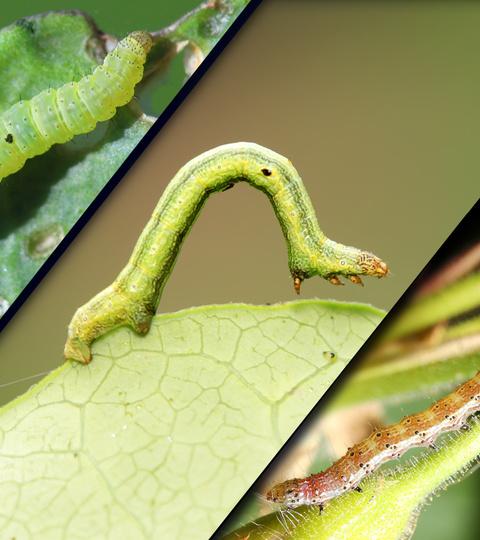

There’s insecticides, then there’s AFFIRM® insecticide that’s designed to break the life cycle of devastating crawling, chewing pests. This Group 6 ‘mectin’ insecticide acts differently, designed to deliver ovi-larvicidal activity, targeting neonate lavae as they hatch.
AFFIRM® effectively targets key pests including heliothis, loopers and diamondback moth, plus fall armyworm in sorghum. Registered in everything from summer to winter pulses as well as canola, cotton, sorghum and maize – you can rotate your program to AFFIRM® for added peace of mind and help slow resistance development.
AFFIRM® Key Benefits
- Broad range of labelled crops: Canola, Winter and Summer pulses, cotton, maize & sorghum
- Group 6 rotational chemistry for management of Lepidoptera pests
- Registered for the control of Fall armyworm
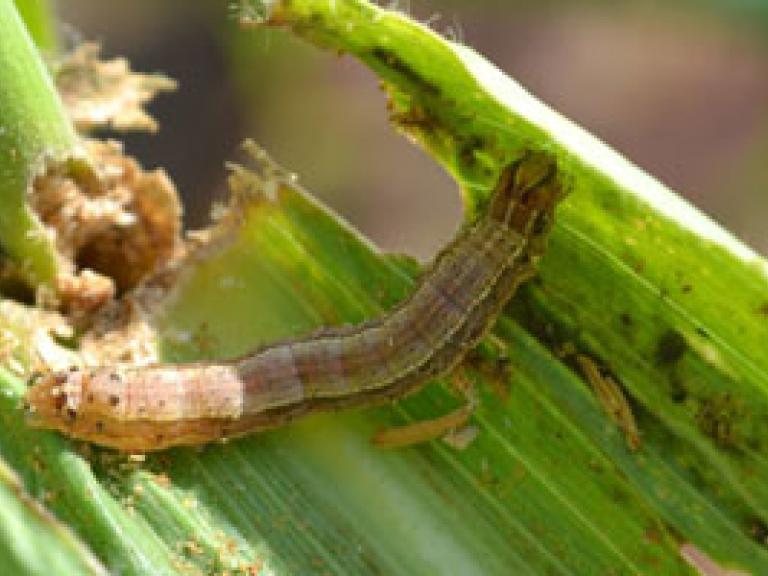
Fall Armyworm
Fall armyworm (FAW) arrived in Australia in January 2020 and has become established through much of northern Australia, with seasonal incursions into southern areas.
AFFIRM® Technical Specifications
AFFIRM® is a foliar insecticide registered across canola, cotton, maize, sorghum, pulses and lucerne seed crops, containing 17 g/L of emamectin for control of caterpillar pests including diamondback moth and heliothis.
| Specification | Details |
|---|---|
| Active Constituent | Emamectin 17g/L (present as emamectin benzoate) |
| Insecticide Group | Group 6 - chloride channel activator |
| Formulation | Emulsifiable concentrate (EC) |
| Registered Crops | |
| Target Pests | |
| Application Rate |
|
| Application Method |
|
| Adjuvant | A non-ionic surfactant is required at the recommended label rate. |
| Rainfast | Within two hours of application |
| Maximum Applications |
|
| Withholding Period |
|
Always read the label before use. For full directions and registered use patterns, refer to the AFFIRM® product label or contact your local Syngenta representative.
Related products

Herbicide
REFLEX
Soluble ConcentrateSL
- 240 g/L Fomesafen

Insecticide
KARATE ZEON
Microencapsulated
- 250 g/L Lambda-Cyhalothrin

Fungicide
MIRAVIS Star
Suspension ConcentrateSC
- 150 g/L Fludioxonil
- 100 g/L Pydiflumetofen

Fungicide
AMISTAR Xtra
Suspension ConcentrateSC
- 200 g/L Azoxystrobin
- 80 g/L Cyproconazole
Order: Lepidoptera
Scientific name: Spodoptera frugiperda (J. E. Smith)
Common Name: Fall armyworm
Fall armyworm is a migratory species that utilises prevailing winds. If conditions are suitable, it can travel more than 100 kilometres in a single night.
Its year-round distribution is expected to be restricted to relatively warm and moist areas closer to the coast. However, the geographic range of fall armyworm is expected to expand and contract based on climatic variability and available hosts.
Fall armyworm is a polyphagous pest with the potential to damage more than 350 different plant species, including a mixture of both crops and weeds.
While its ability to feed on weeds might not seem that important, it is these hosts that allow the pest to survive when commercial crops are no longer suitable or not available. For this reason, effective weed control will ultimately help restrict population growth.
In Australia, fall armyworm is likely to target crops including sweet corn, maize, sorghum, cereals, cotton and soybeans. Other potential hosts include horticultural crops, brassicas, cucurbits, fruiting vegetables and potatoes.